About this article. This is an original, research-based editorial assessment, not a hands-on lab test. Manufacturer specifications are identified as such. Published November 17, 2026.
In this article
A small speaker should solve a small problemKnow the generation you are buyingBuild around compatibilityMake privacy part of setupPros, cons & who it suitsOur conclusionA small speaker should solve a small problem
A smart speaker is most useful when it has a clear job: a kitchen timer, a bedroom alarm or voice control for compatible lights. An Echo Dot can be a starting point for those routines. Buying one because it is small and discounted is less persuasive than knowing where it will sit and which task it will make easier.
Know the generation you are buying
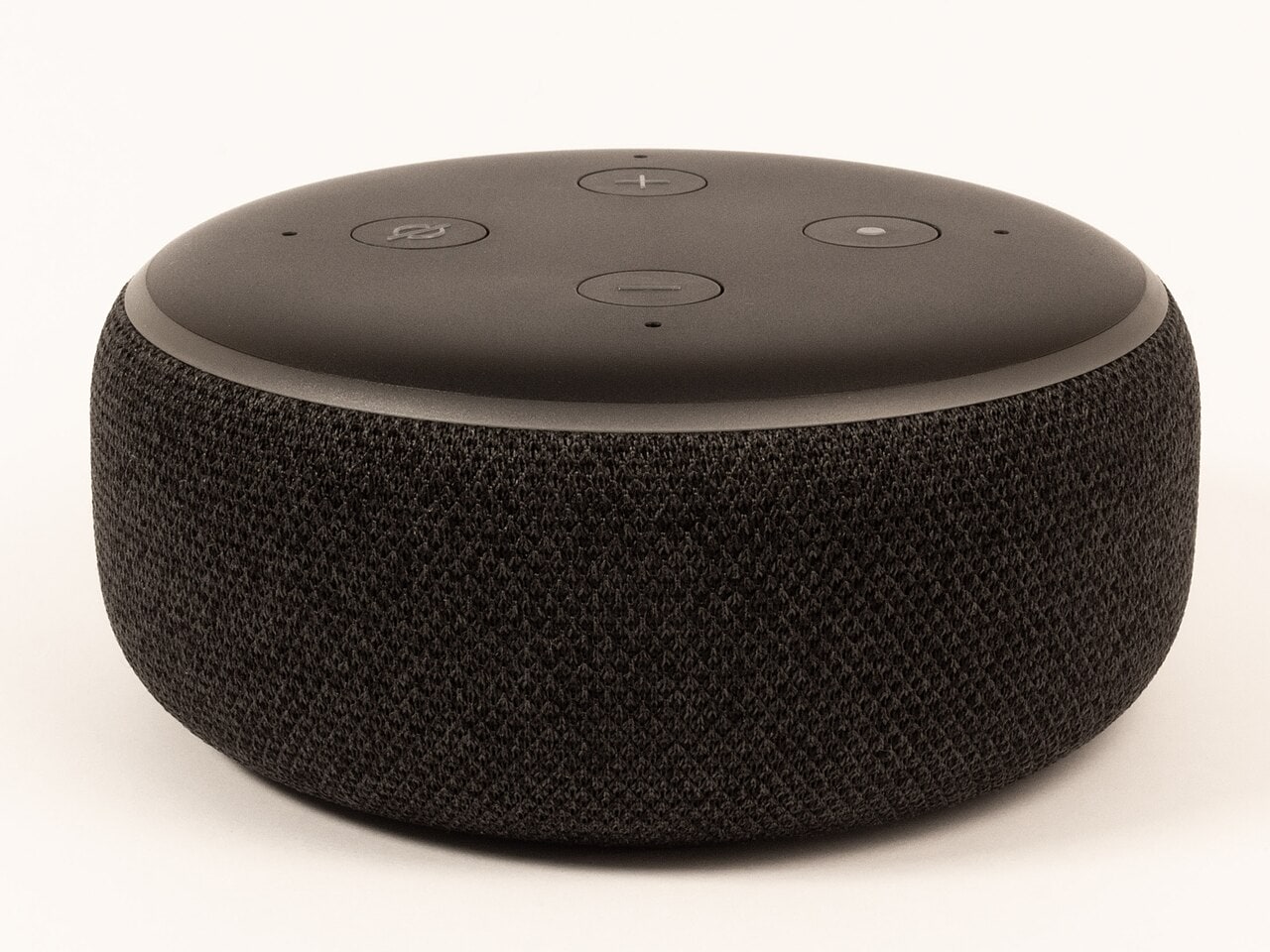
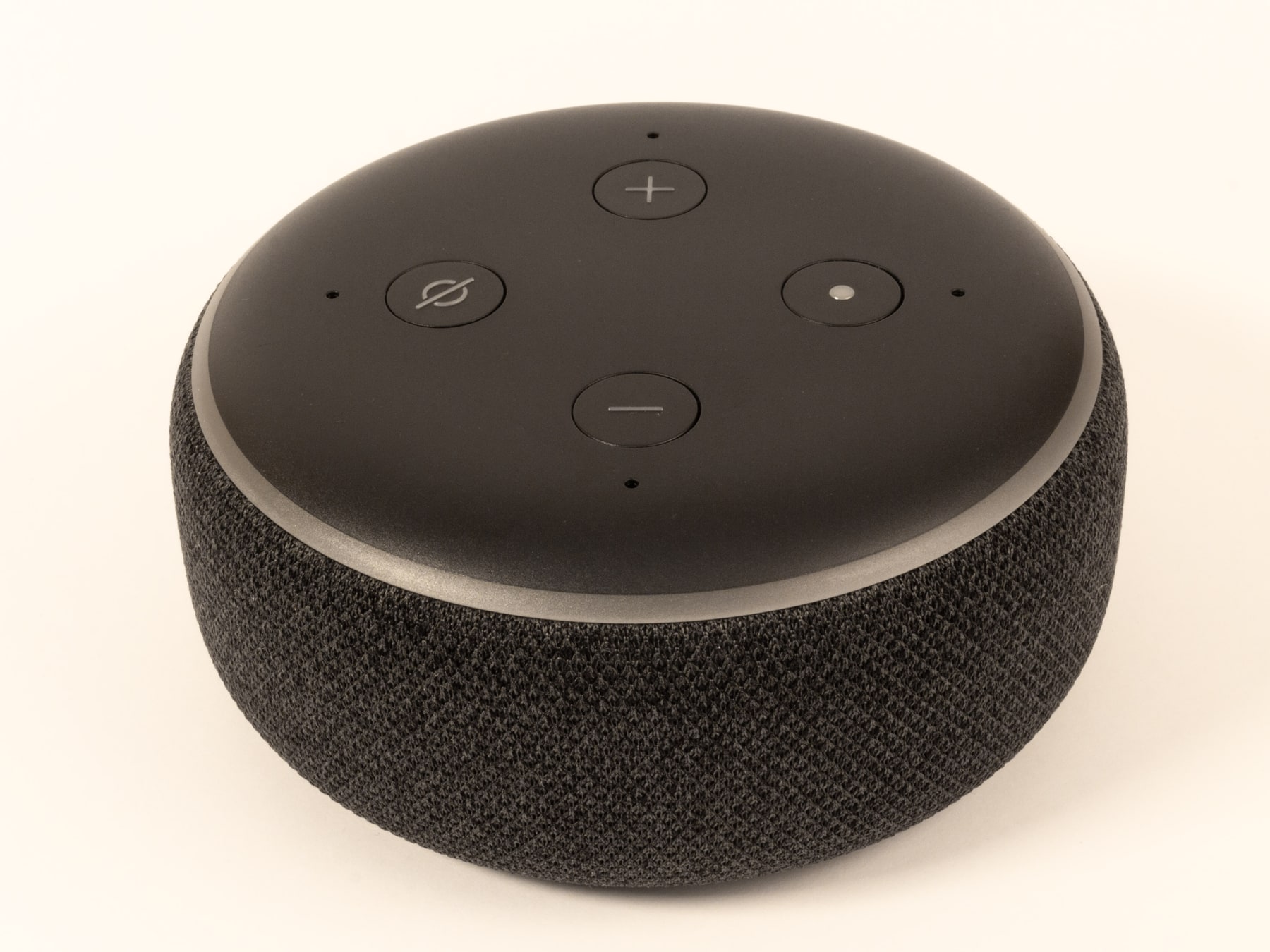
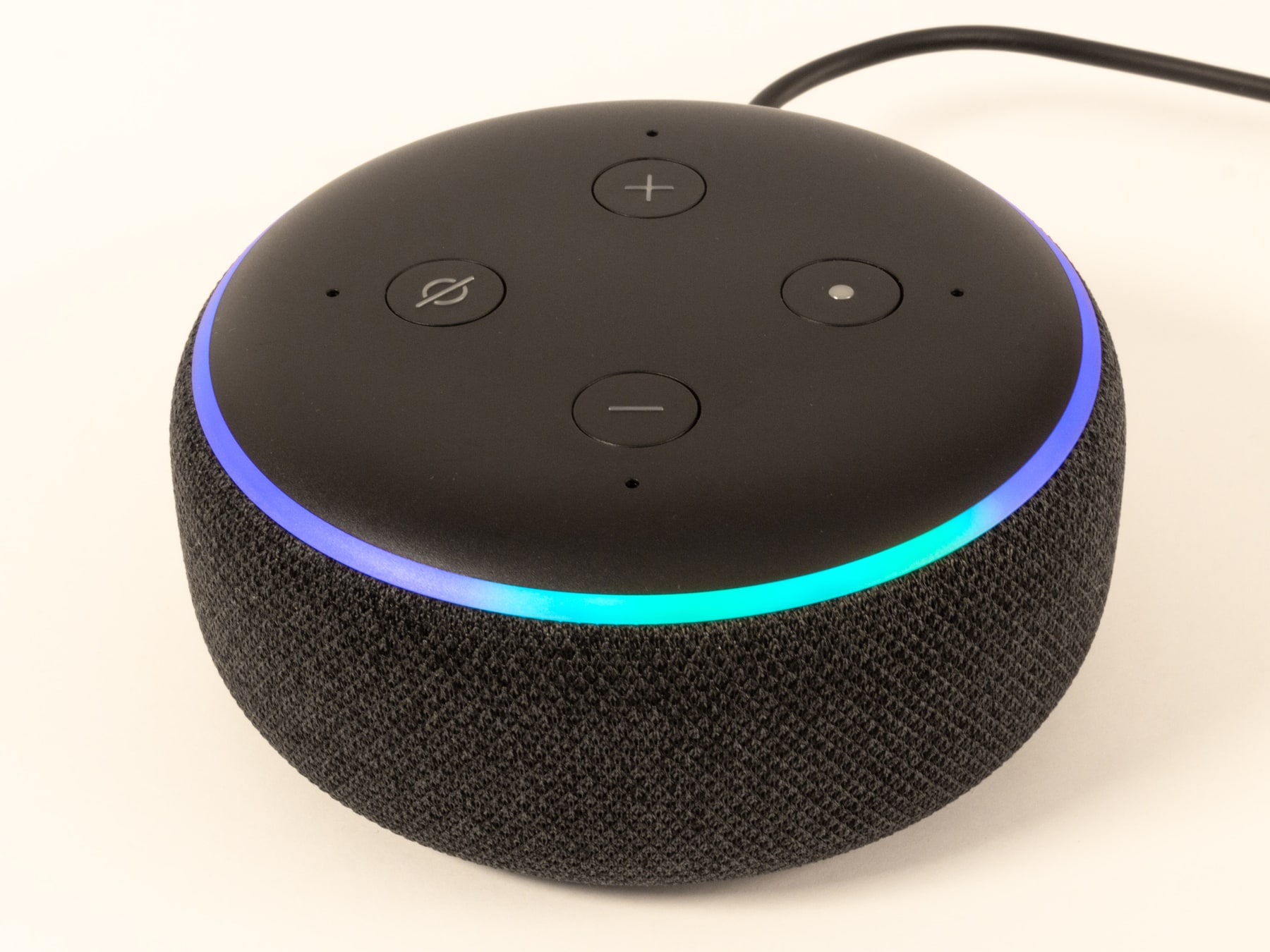
Echo Dot listings span several generations. Their appearance can be similar while the hardware and supported features differ. Confirm the generation in the listing and on the packaging, especially when buying refurbished stock. The photographs on this page are individually identified in the credits; a family resemblance is not evidence that every pictured version has identical features.
Build around compatibility
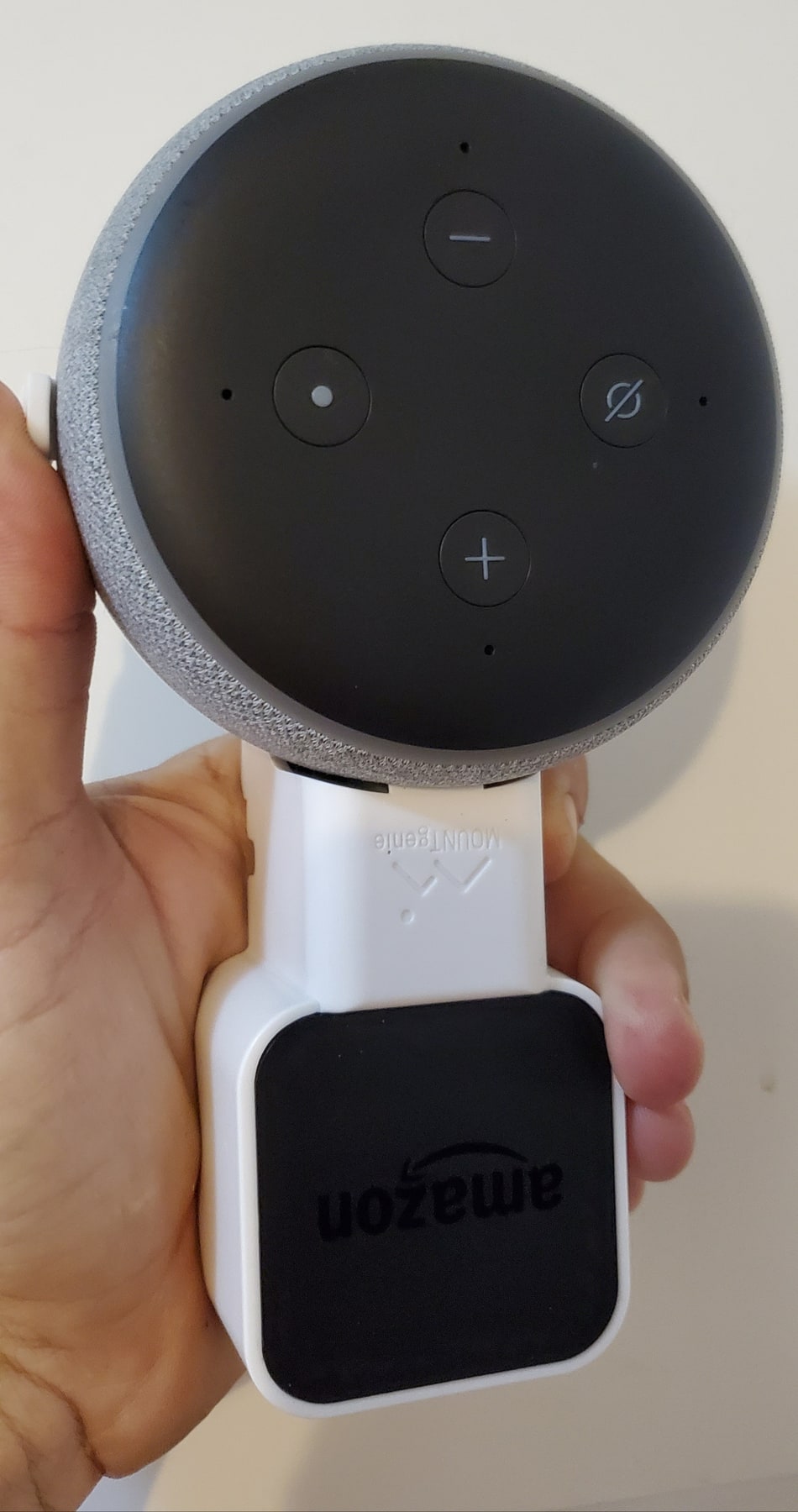
Check the exact smart lights, plugs or services you intend to use. A compatible logo is a starting point, but account requirements, region and current service support also matter. Plan where the power adapter will go and whether your network reaches that location reliably. A compact speaker is still a connected appliance with practical setup needs.
Make privacy part of setup
Review microphone controls, voice-history settings and household account access before using a cloud-connected assistant. Think about who else shares the room and what information should be available through voice commands. This is a specification-based editorial assessment; we have not measured the microphone range or speaker response. For critical audio listening, compare purpose-built speakers and listen in person where possible.
The trade-offs
What works, and what to weigh up
Pros
- Compact format suits a desk or bedside table
- Voice control can simplify compatible home routines
- A practical entry point for an Alexa-based setup
Cons
- Cloud-connected features depend on service availability
- Not a portable battery speaker
- Generation, region and device compatibility need checking
Who it suits
People building a compatible Alexa setup who want a compact speaker for everyday commands and casual listening.
Our conclusion
Choose it for a specific room and a clearly defined routine. Check the exact generation, supported services and privacy settings before bringing it into your home.
Start with your needs, compare the exact product and choose a seller whose terms you understand. A clear fit is more valuable than a long feature list.
Sources & editorial notes
Amazon Echo identification guide — consulted for product details. Product availability, support and service features can change; confirm the exact version before purchase.
All product photographs show the Echo Dot 3rd generation. Features of later Echo Dot generations should not be assumed to apply. We do not reproduce third-party reviews. Photographs are licensed separately; see image credits. For corrections, email the editorial team.